May 4, 2026
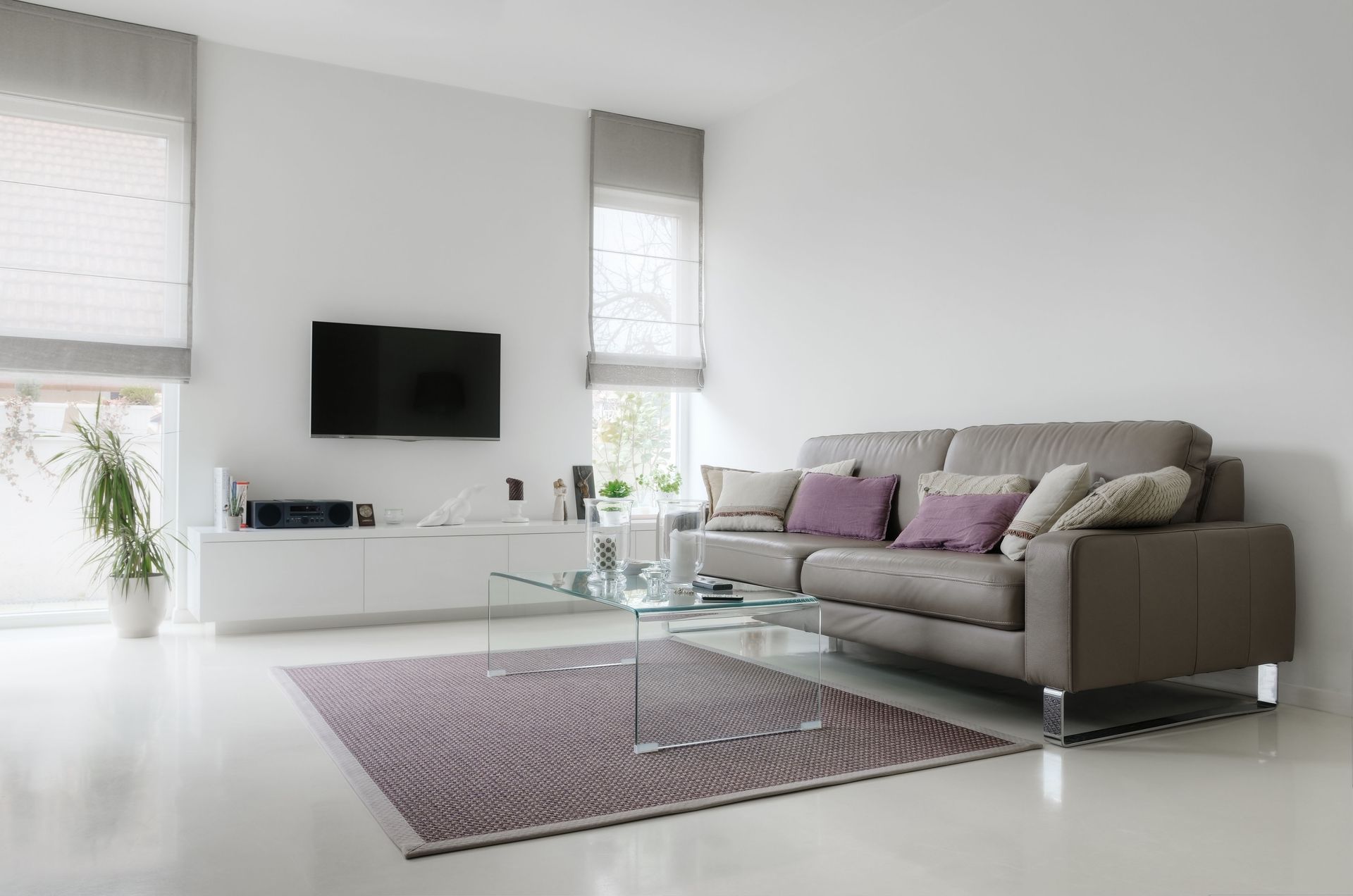
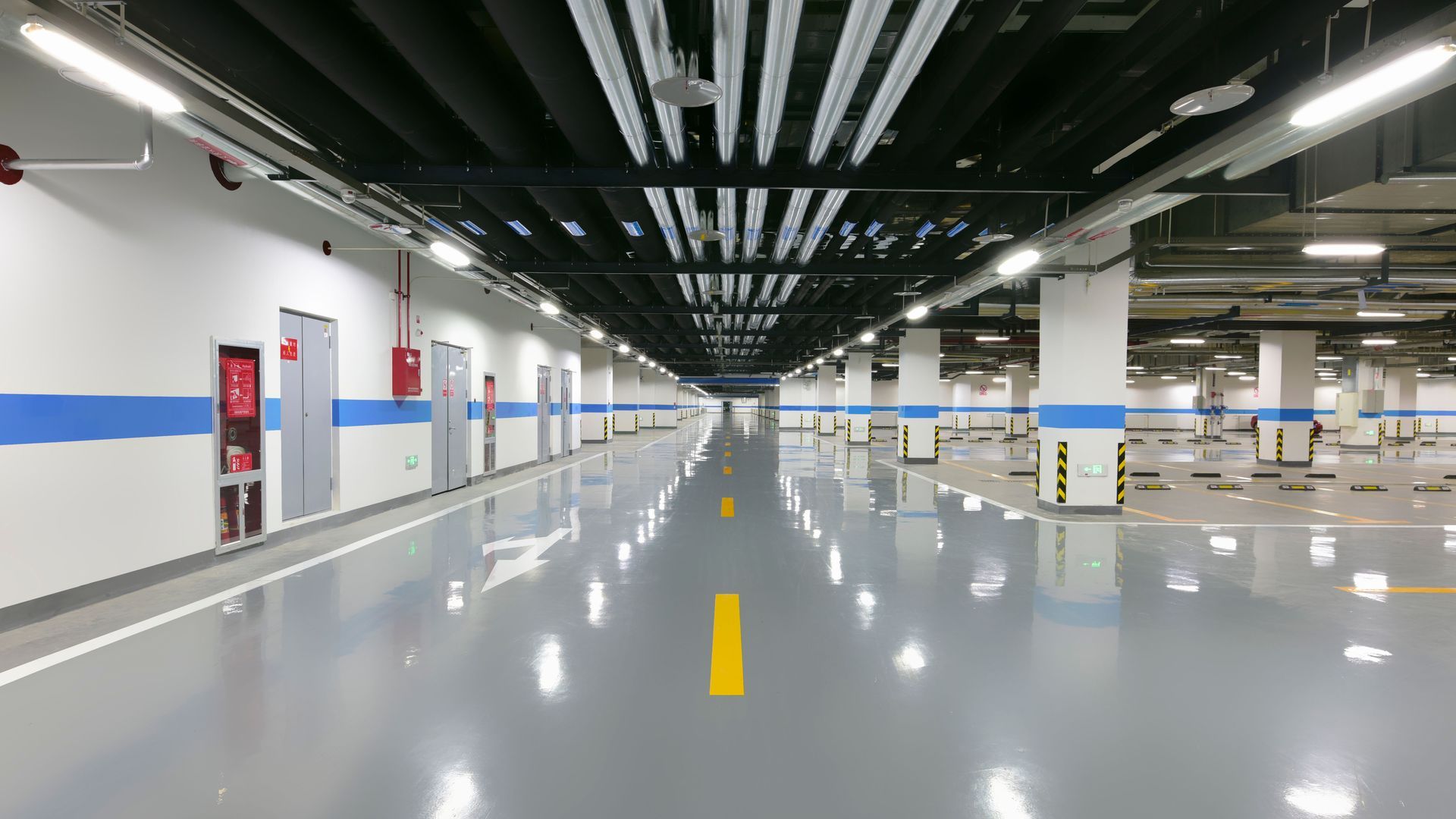
Modern interior design is witnessing a dramatic shift as industrial materials transition into high-end residential spaces. Homeowners are increasingly looking for ways to combine durability with high-end aesthetics, leading to a surge in creative surfacing solutions. Among these, one particular material has stepped out of the garage and into the heart of the home. Once reserved for commercial warehouses and automotive shops, the epoxy floor is now a primary choice for luxury living rooms, kitchens, and master suites. This transition reflects a broader trend toward minimalism, seamless surfaces, and the desire for custom-made environments that defy traditional expectations.
Choosing Seamless Surface Integration
Selecting a flooring material often involves a compromise between style and strength. However, modern resinous coatings have eliminated this trade-off by offering a finish that is as tough as it is beautiful. A professional epoxy floor provides a continuous, joint-free surface that expands the visual volume of a room. Without the grout lines found in tile or the seams present in hardwood, the living area feels more expansive and cohesive. This fluidity is a hallmark of contemporary architecture, where the goal is often to create a sense of infinite space.
Beyond the visual benefits, the lack of seams serves a functional purpose. Dust, allergens, and pet dander have no place to hide, making the environment significantly cleaner than those with carpet or textured stone. For families who prioritize health and ease of maintenance, the move toward resinous surfaces is a logical evolution. It allows the home to remain pristine with minimal effort, ensuring that the design remains the focus rather than the upkeep.
Defining Modern Industrial Aesthetics
Embracing an industrial vibe has been popular for years, but the trend is becoming more refined. The raw, cold feel of exposed concrete is being replaced by the sophisticated depth of decorative resins. An epoxy floor can be engineered to mimic natural stone, clouded marble, or even liquid metal. This versatility allows designers to curate a specific mood, whether it is a dark, moody lounge or a bright, airy gallery-style living space.
The reflective quality of these surfaces also plays a vital role in interior lighting. By bouncing natural light from windows and artificial light from fixtures, the floor acts as a massive reflector. This brightens dark corners and reduces the need for excessive overhead lighting during the day. The result is a space that feels vibrant and alive, shifting in tone and hue as the sun moves across the sky.
Prioritizing Long-Term Material Durability
Investing in home renovations requires a focus on longevity. Many traditional materials suffer from wear and tear, such as scratching on wood, chipping on ceramic, or staining on stone. A high-quality epoxy floor is engineered to withstand heavy foot traffic and the occasional dropped object without showing signs of distress.
- Resistance to spills and household chemicals ensures that accidents do not lead to permanent damage.
- Impact resistance protects the substrate from heavy furniture or moving objects.
- UV stability prevents the surface from yellowing when exposed to sunlight through large windows.
- Thermal shock resistance allows the material to handle temperature fluctuations without cracking.
When these factors are considered, it becomes clear why many are moving away from temporary solutions. The ability to maintain a showroom-quality finish for decades makes resinous coatings a financially sound choice for the discerning property owner.
Customizing Unique Artistic Finishes
Creating a home that reflects personal identity is a core pillar of modern design. Unlike mass-produced flooring options, every epoxy floor is essentially a custom work of art. The application process involves layering pigments and metallics that flow and settle in unique patterns. No two installations are ever identical, providing a level of exclusivity that cannot be matched by factory-made planks or tiles.
- Metallic pigments create a three-dimensional depth that looks like molten metal or flowing water.
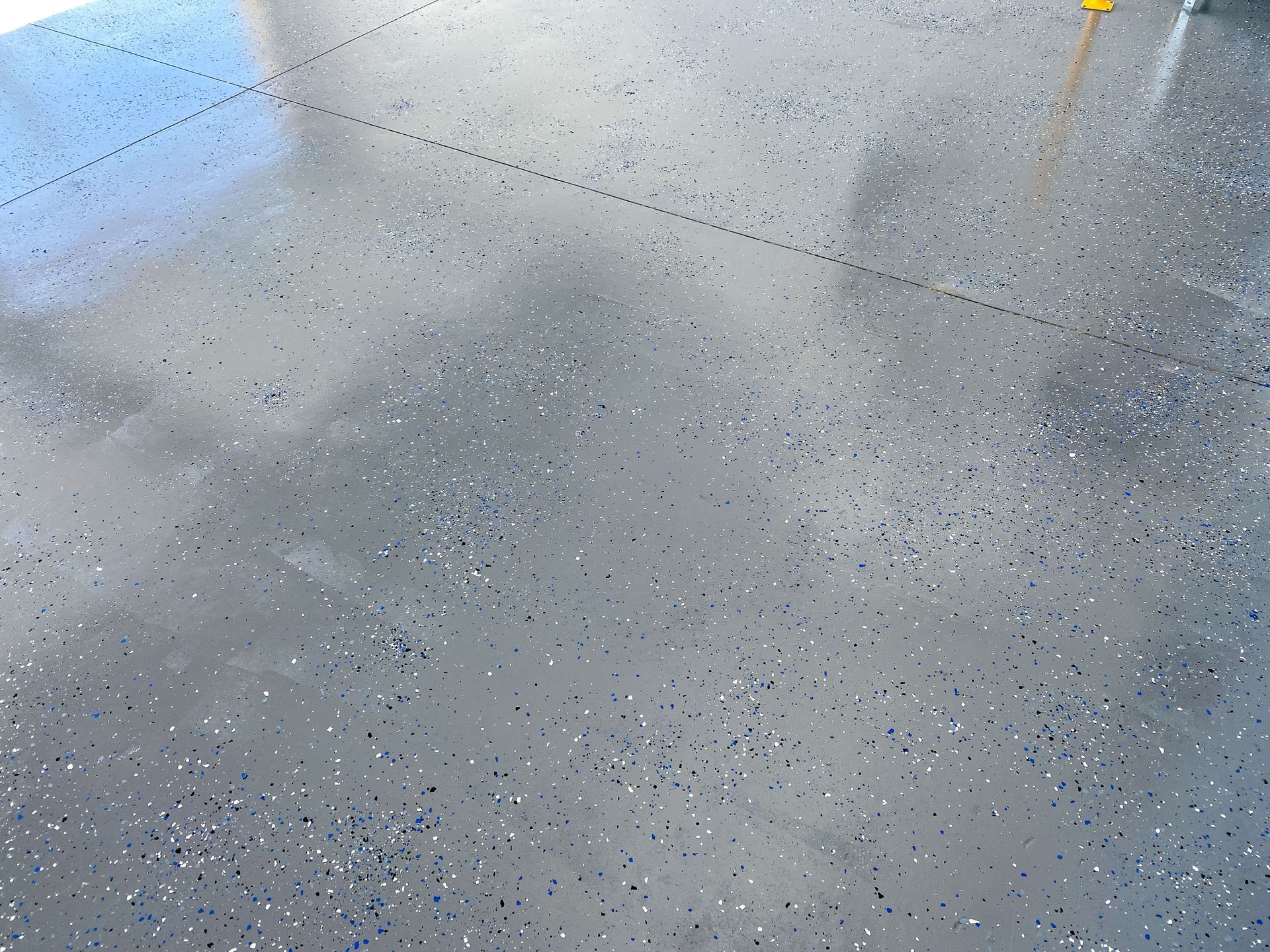
- Flake systems offer a textured, multi-colored look that provides extra grip and visual interest.
- Solid colors provide a bold, minimalist foundation for avant-garde furniture and decor.
- Clear topcoats can be applied over stained concrete to preserve the organic beauty of the building.
This level of customization empowers homeowners to play a role in the creative process. They can choose the exact shades and movement patterns that will define their living space, ensuring that the floor is not just a surface, but a conversation piece.
Integrating Underfloor Heating Systems
Providing comfort is just as important as providing style. A common misconception is that resinous surfaces are cold to the touch. In reality, an epoxy floor is an excellent conductor of heat. Many modern installations incorporate radiant heating systems beneath the surface. Because the material is thin and dense, it transfers heat efficiently, warming the entire room from the ground up.
This combination of modern technology and industrial materials creates a cozy environment that belies the floor's sleek appearance. Walking barefoot across a heated resin surface in the middle of winter is a luxury experience that traditional flooring struggles to replicate. It eliminates the need for bulky radiators and allows for more freedom in furniture placement, as the heat source is completely invisible and integrated into the architecture itself.
Evaluating Global Market Growth
Understanding the scale of the industry provides context for why these materials are becoming more accessible and popular. The manufacturing and installation sectors are expanding rapidly as more consumers recognize the value of high-performance coatings. According to the Freedonia Group, U.S. demand for flooring products is forecast to rise to $54.3 billion. This growth is driven by innovation in material science and a shift in consumer preference toward products that offer both longevity and aesthetic flexibility.
As the market expands, the techniques used to apply an epoxy floor become more sophisticated. Professional installers now have access to eco-friendly, low-odor resins that make residential installation safe and efficient. The availability of diverse finishes and the proven track record of the material in commercial spaces have paved the way for its dominance in the residential sector.
Enhancing Overall Property Value
Real estate experts often note that first impressions are everything when it comes to property valuation. A home that features high-end, modern upgrades stands out in a competitive market. Installing an epoxy floor in a prominent area like the living room signals to potential buyers that the home has been maintained with premium materials. It suggests a level of sophistication and attention to detail that standard carpeting or laminate simply cannot convey.
Furthermore, the low maintenance requirements of these surfaces are a significant selling point. New homeowners are often wary of materials that require expensive professional cleaning or frequent refinishing. By presenting a surface that is both beautiful and nearly indestructible, sellers can justify a higher asking price. It is an investment that pays dividends not just in daily enjoyment, but in the long-term equity of the residence.
The evolution of home design continues to favor materials that are versatile, sustainable, and visually striking. The living room is the soul of the home, and the surfaces within it should be capable of handling the rigors of life while maintaining an atmosphere of elegance.
Whether through the use of metallic lusters or matte minimalist tones, the transition of industrial coatings into the domestic sphere is a trend that is here to stay. If you are ready to transform your living space with a durable and stunning epoxy floor, contact Altsman Coatings today.